Looking at Trousdale Estates and wondering what really drives value on the hill? If you are drawn to mid‑century lines, wide glass walls, and the promise of city-to-ocean views, you are not alone. Still, not every lot, view, or remodel path performs the same. In this guide, you will learn the essentials of architecture, lot and view dynamics, permitting, and market behavior so you can make a confident plan. Let’s dive in.
Trousdale at a glance
Trousdale Estates is a planned hillside community in the northeastern hills of Beverly Hills, developed beginning in the 1950s by Paul Trousdale. The neighborhood is known for single-level mid‑century modern and ranch-era homes designed to capture long views of the Los Angeles basin, skyline, and on some lots, the ocean. Inventory is small and turnover is low, which helps keep demand steady among high‑net‑worth buyers. Prices span a wide range based on lot position, privacy, and the level of modernization or redevelopment.
Architectural pedigree
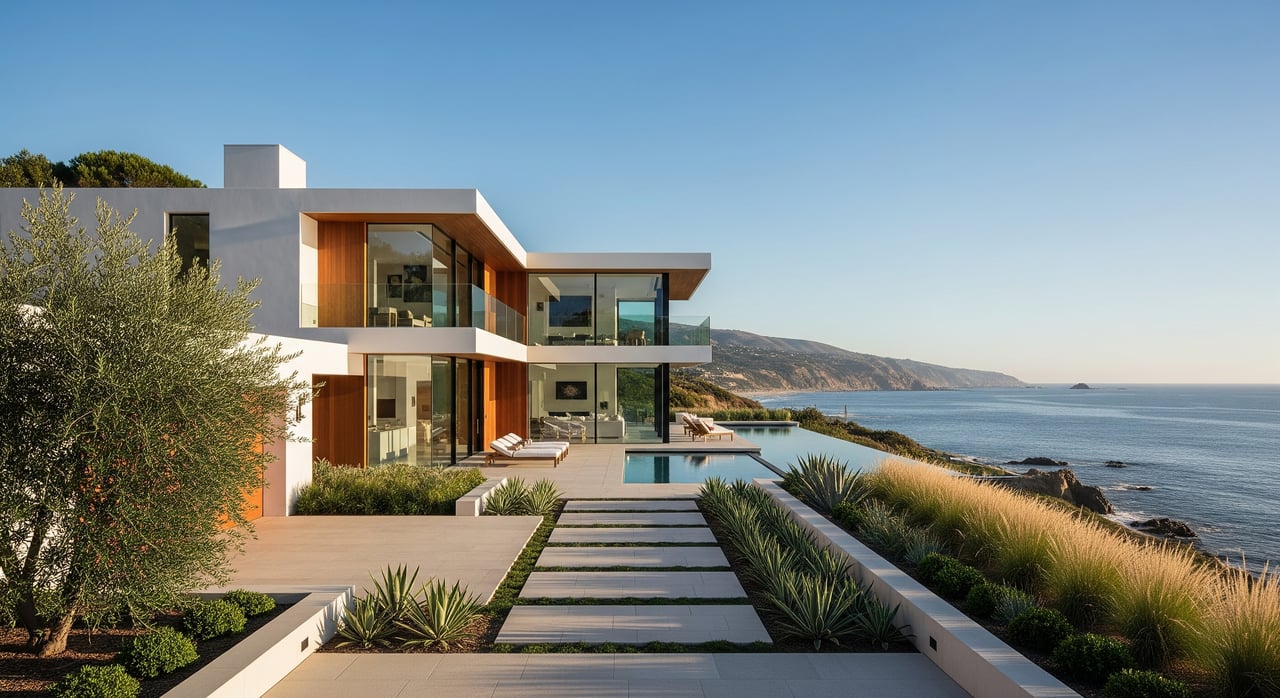
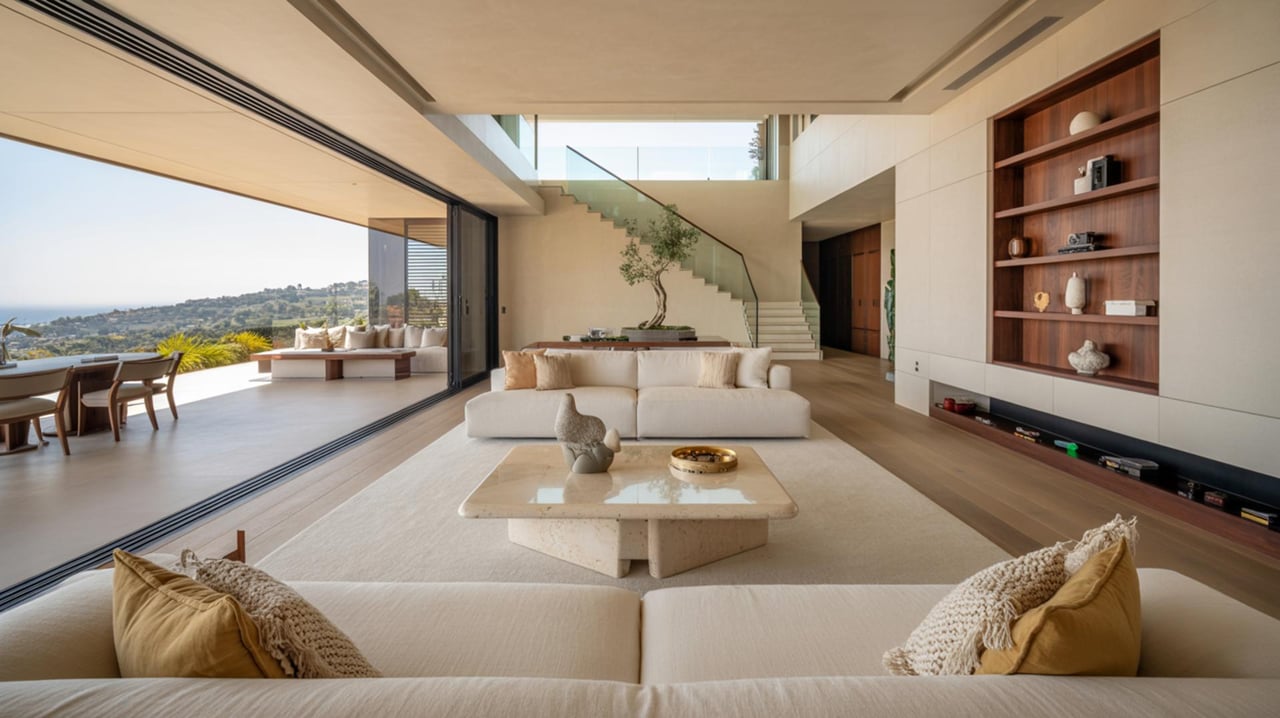
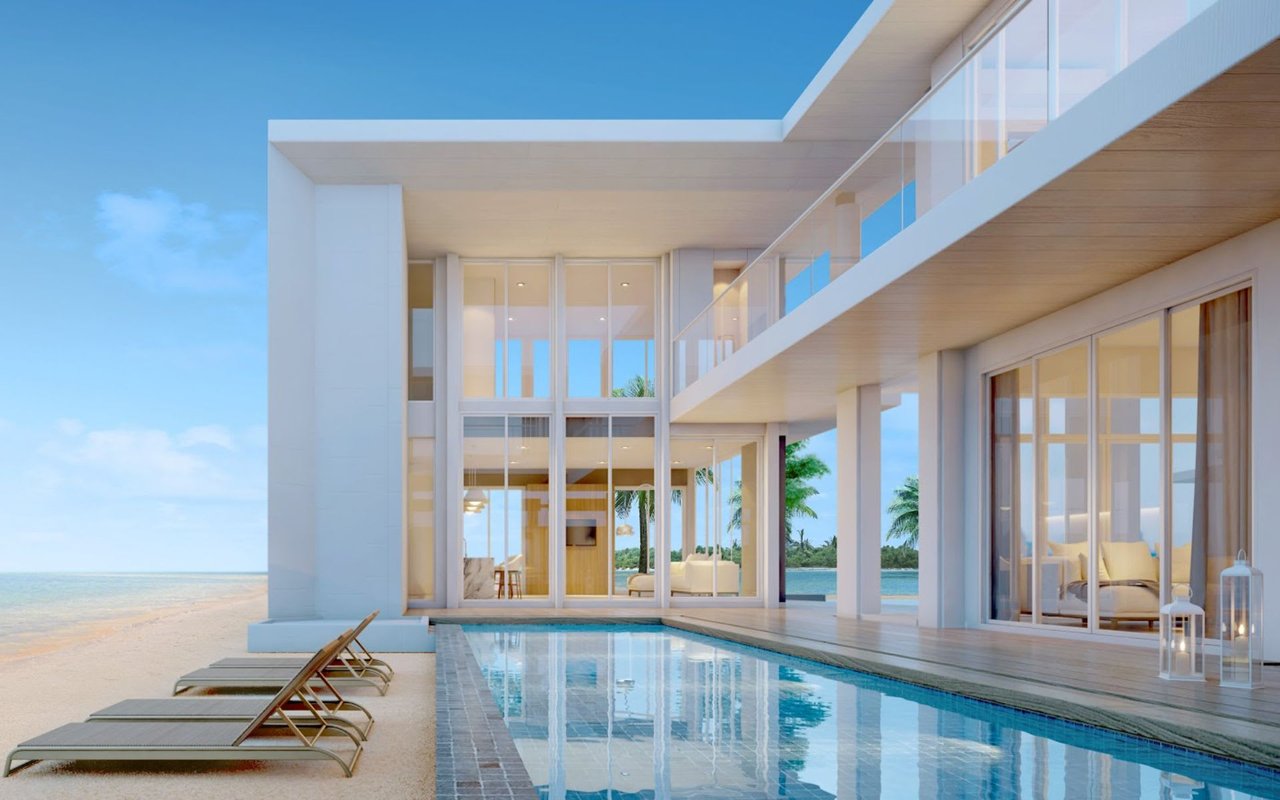
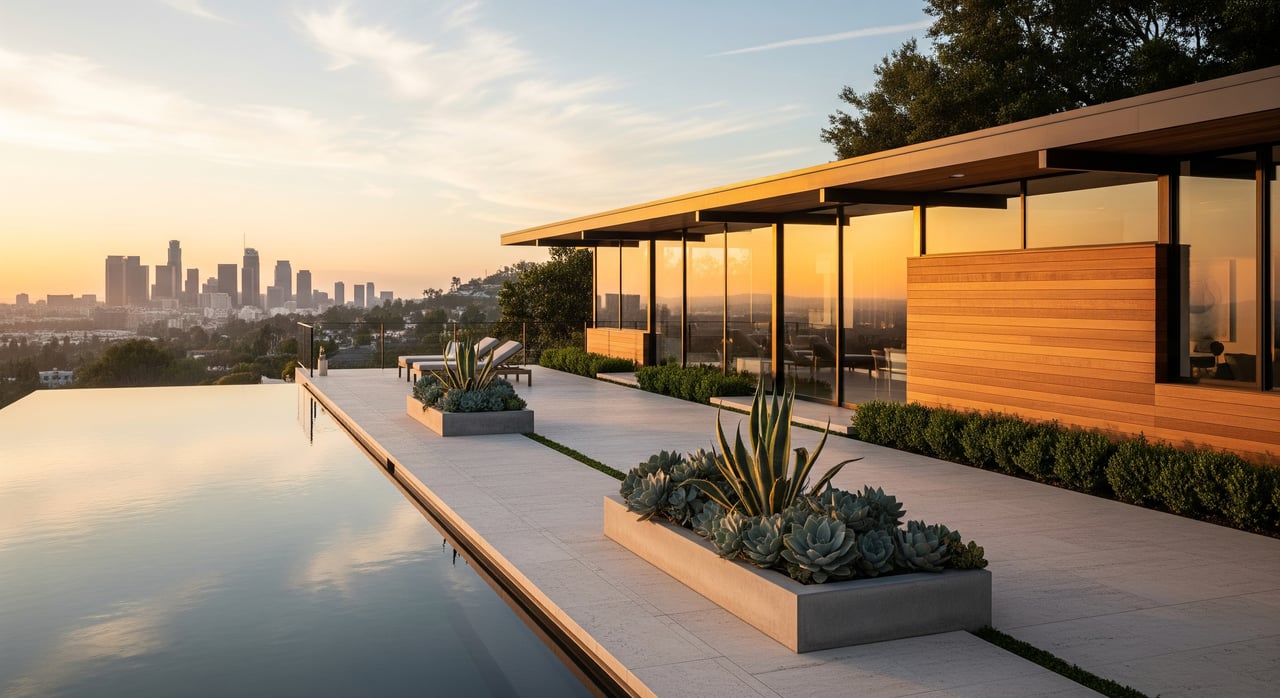
Trousdale’s identity centers on low‑profile modern living and an indoor‑outdoor connection. Original homes highlight horizontality, open plans, and large glass walls that frame the hillside landscape.
Mid‑century hallmarks
- Flat or low‑pitched roofs and clerestory windows
- Post‑and‑beam construction with floor‑to‑ceiling glass
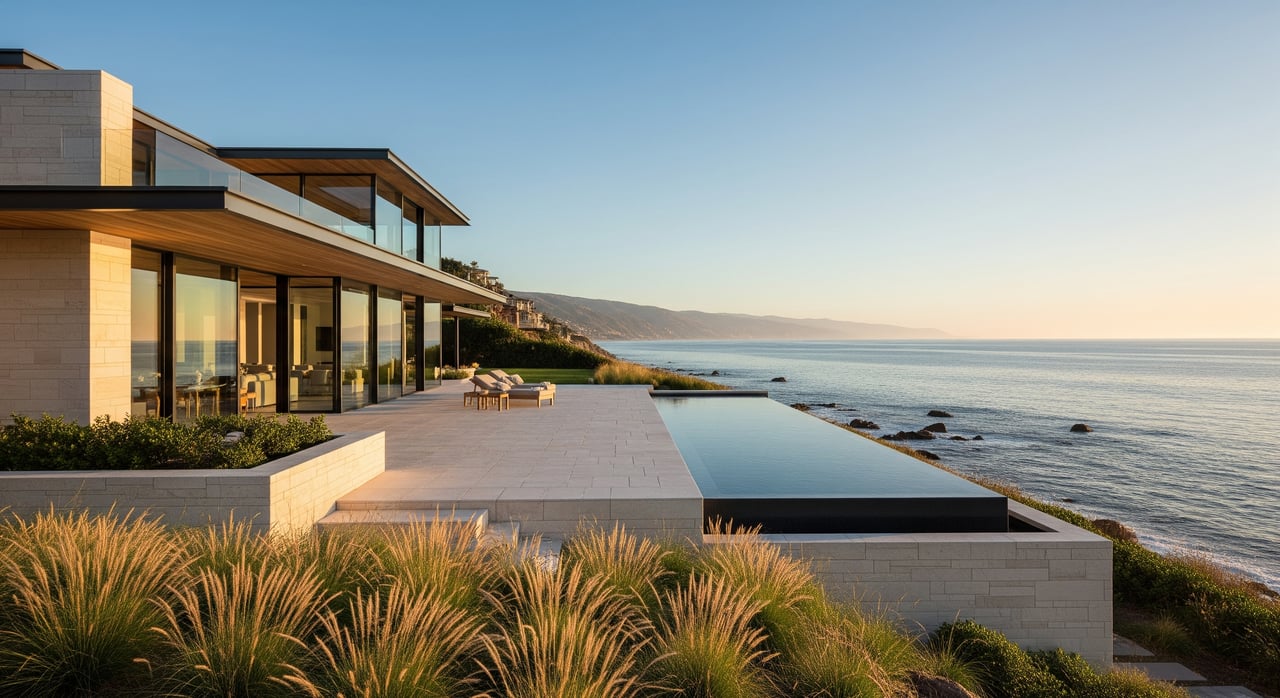
- Open plans that flow to terraces and pools
- Minimal ornament and strong landscape integration
Restorations and new builds
Over time, you will see careful restorations, extensive remodels, and complete tear‑downs replaced by contemporary trophy estates. Some properties expand vertically or across the pad to add square footage and amenities. Each path carries different costs and timelines, so you should match your plan to the site and the likely buyer pool for that block.
Preservation and review
Local preservation groups and the City of Beverly Hills maintain guidance and review processes that affect design, demolition, and new construction in the hills. Expect discretionary design review and hillside permit steps for substantial changes or any ground‑up project. If a home is identified as having architectural or historical significance, demolition may require additional review.
Lots, views, and site factors
Lot, view, and usability are the real value levers in Trousdale. Because topography varies, two homes of similar size can live very differently and command very different prices.
Lot sizes and pads
Lots tend to be larger than in the Beverly Hills flats, ranging from generous suburban parcels to estate‑scale sites. Pads can be flat, stepped, or sloped, with irregular shapes common. Buildability depends on grading and access, which influence cost and timeline.
View corridors and orientation
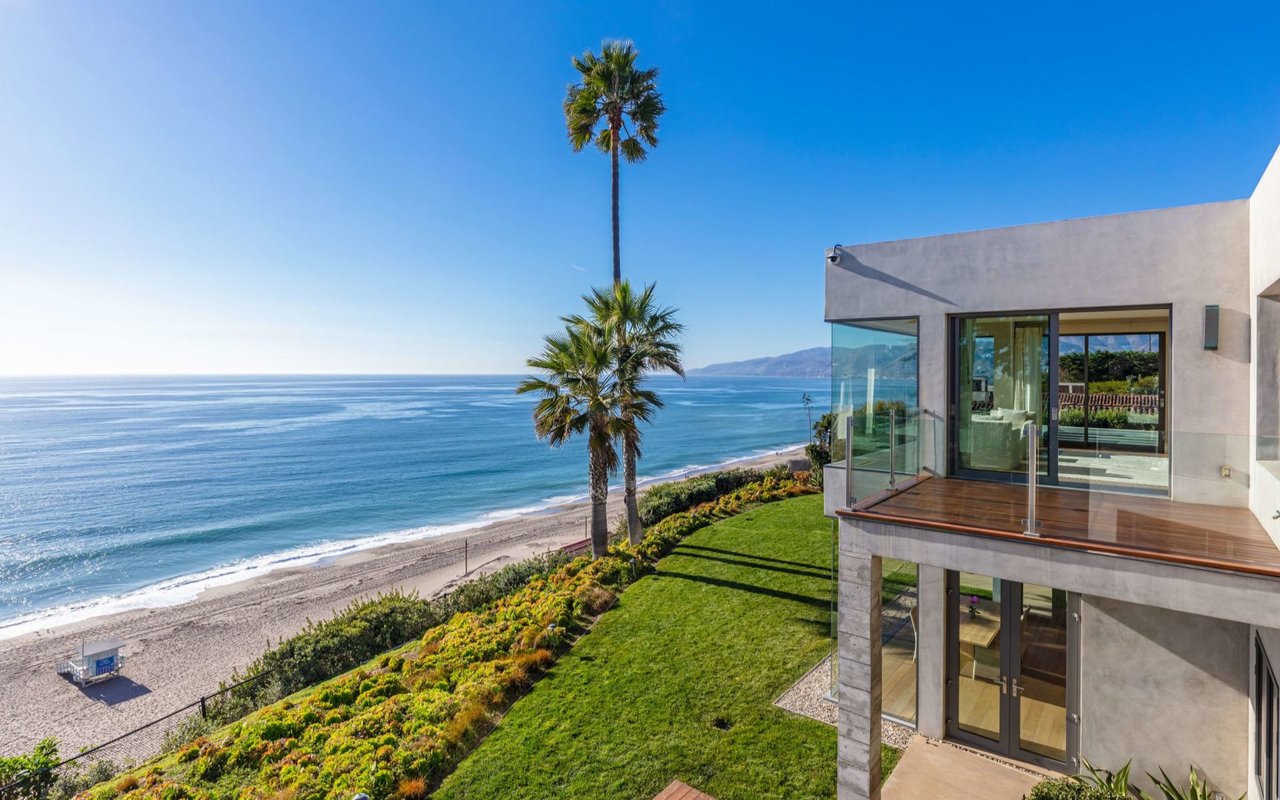
Views are a defining asset. Many homes look southwest or west over the city, some face south across the basin, and select sites include Hollywood, West Hollywood, or Downtown panoramas. A ridgeline or cul‑de‑sac position can increase privacy and sun exposure. The view premium is real: unobstructed, wide panoramas or ocean sightlines often trade at a material premium over interior, limited‑view lots.
Infrastructure and access
Expect pools, terraces, long driveways, and gated entries. On steeper parcels, garages may tuck below the main level, and service access for major construction can be complex. Budget for careful staging and logistics, especially if heavy equipment or large materials must be craned in.
Permits and timelines
Hillside conditions call for geotechnical review and grading permits, along with retention, landscape, and drainage plans. Seismic and structural needs on steeper slopes can add cost. The City’s design review and hillside requirements help preserve character but also extend timelines, which impacts holding costs.
Market dynamics
Trousdale has a limited number of lots and low turnover, so the market often hinges on a small set of headline sales and off‑market trades. Pricing can move quickly when a trophy property sets a new benchmark.
Inventory and turnover
The neighborhood’s few hundred lots create chronic scarcity. Notable sales draw media coverage and can reset expectations for nearby blocks. As a result, timing your listing or acquisition around comparable inventory matters.
What drives value
- View presence and quality, especially unobstructed panoramas
- Lot position, privacy, and usable flat area
- Architectural pedigree and the integrity of original mid‑century features
- Degree of modernization or a clear path to a new build
- Security, parking, amenities, and overall lifestyle fit
Pricing and comps
Price dispersion is wide. Trophy new builds can reach the top of the Beverly Hills market, while smaller or non‑view mid‑century homes trade lower. Simple price‑per‑square‑foot comparisons are less useful here. To price or bid intelligently, control for view, lot, privacy, and redevelopment potential, and focus on a tight set of true comparables.
Who buys and sells
Buyers often include executives, entertainment figures, mid‑century collectors, and developers seeking prestige view lots. Sellers range from long‑time owners to developers repositioning a site. Each segment values different aspects of the same property, so your strategy should reflect which buyer you want to attract.
Buyer strategy
If you are considering Trousdale, start by deciding if you want an intact mid‑century to restore, a move‑in modern, or a site for a new build. Each path offers a different risk‑reward mix.
Due diligence checklist:
- Verify view corridors and potential to enhance them within local rules
- Commission geotechnical, structural, and drainage evaluations early
- Confirm pad size, access, and staging feasibility for construction
- Model entitlement time for design review and hillside permits
- Align the architecture plan with likely resale demand on that block
Restore or rebuild?
- Restore when the home has strong original bones and a clear collector market.
- Rebuild when the lot supports a larger program and a panoramic view that commands a premium.
- Hybrid approaches work too, but keep the indoor‑outdoor flow and low profile that define Trousdale.
Seller strategy
Your positioning depends on condition, lot, and target buyer. The goal is to tell a clear story about the site and its upside while respecting neighborhood character and review processes.
Preparation checklist:
- Document view corridors, privacy features, and sun orientation
- Highlight architectural integrity and any permitted upgrades
- Provide early reports on slope, drainage, and geotechnical items
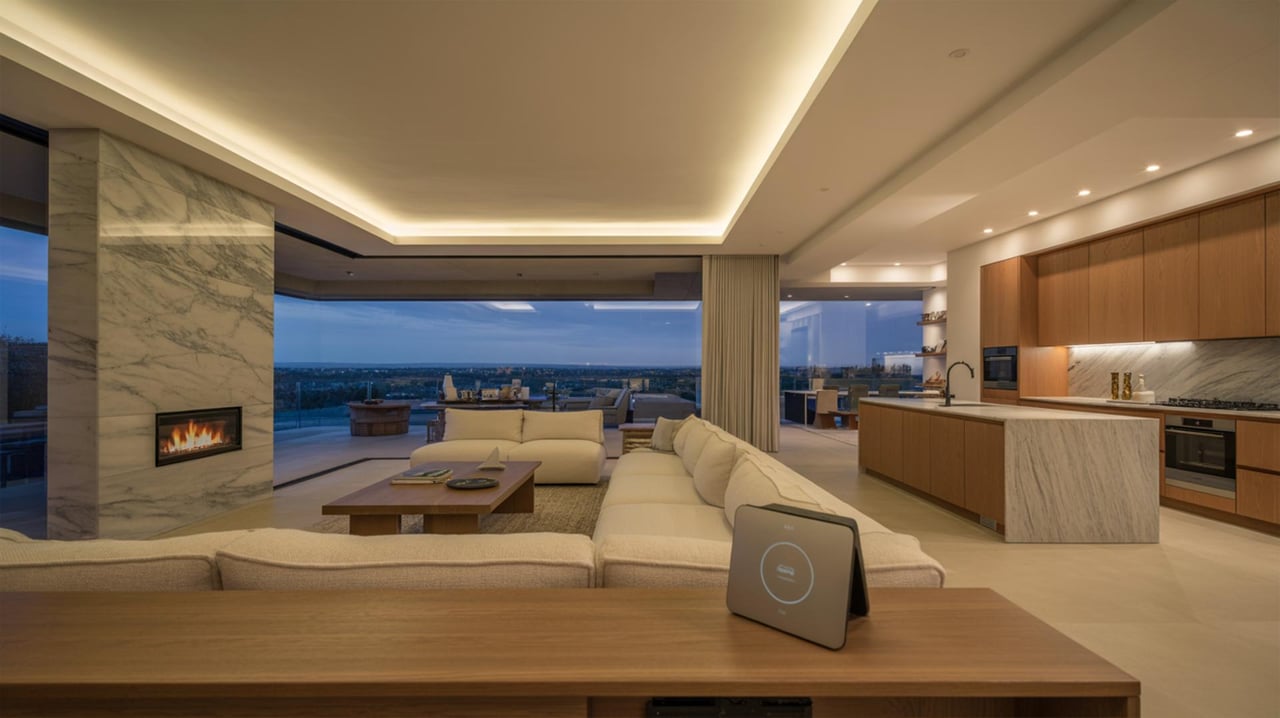
- Consider light improvements that showcase glass, flow, and outdoor living
- Calibrate pricing to a focused comp set that matches view and lot position
Market notes for sellers:
- Intact mid‑century homes can have collector value if thoughtfully presented.
- Turnkey moderns attract buyers who prioritize speed and ease.
- Clear redevelopment paths appeal to builders and end‑users seeking a custom estate.
Trousdale vs nearby enclaves
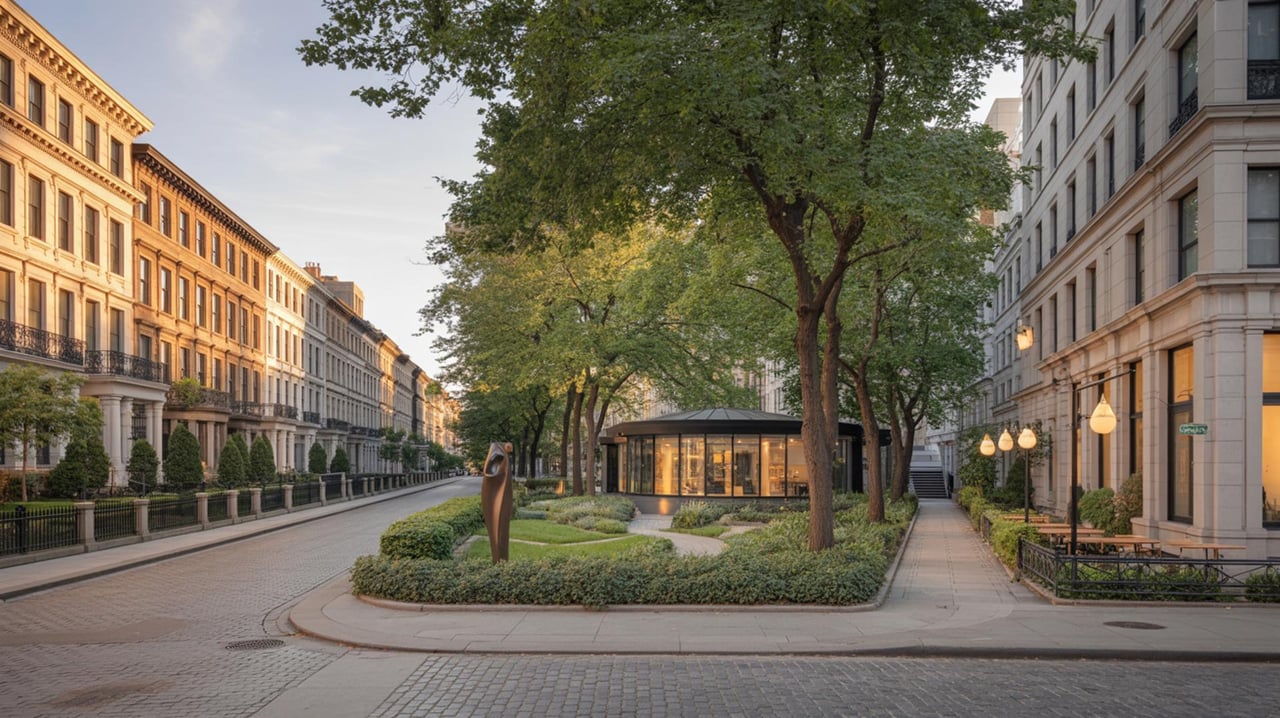
- Beverly Hills Flats: Emphasizes historic curb appeal, classical styles, and formal lots but generally lacks the sweeping views that drive Trousdale premiums.
- BHPO, Bel Air, Holmby Hills: Often larger grounds and varied styles, but a different identity. Trousdale stands out for concentrated mid‑century fabric and urban-to-ocean views.
- Bird Streets and nearby hills: Share a view focus and trophy builds, but with smaller lot modules and a different street pattern. Trousdale offers the Beverly Hills address and a cohesive mid‑century context.
Make your next move
Whether you plan to restore a mid‑century classic or develop a contemporary estate, Trousdale rewards clarity on views, lot potential, and permitting. A precise read on comps and entitlement timelines can protect your budget and unlock value on the back end. If you want a confidential, strategy‑first conversation tailored to your goals in Trousdale, connect with Cooper Mount for guidance and access.
FAQs
What makes Trousdale Estates unique in Beverly Hills?
- A mid‑century hillside plan with low‑profile architecture, panoramic views, and a limited number of lots that create enduring demand.
How do views affect home values in Trousdale?
- Unobstructed, wide panoramas or ocean sightlines typically command a significant premium versus interior or partial‑view lots.
What should buyers budget for hillside permitting?
- Plan for discretionary design review, geotechnical studies, grading permits, and potential retention and drainage work that extend timelines and costs.
Is it better to restore a mid‑century or build new?
- It depends on the home’s architectural integrity, the lot’s view and pad size, and your timeline; both paths can work when matched to site and buyer demand.
Why are comps challenging in Trousdale?
- Sales are infrequent and highly varied, so price‑per‑square‑foot is less reliable; value hinges on view, lot position, privacy, and redevelopment potential.
How does Trousdale compare to the Beverly Hills Flats?
- The Flats offer historic streetscapes and formal lots, while Trousdale’s value is driven by hillside views, modernist architecture, and privacy.